




 hoe grange blog posts
Browse through our blog posts to find out what life is like at Hoe Grange Holidays along with some great ideas for days out in the Peak District.
Snowdrops – the first signs of Spring
February 9, 2021Archives
Order
Category
Snowdrops - the first signs of Spring
 What better way to disperse the gloom of winter than discover one of nature’s brightest wonders?
Pull on your coat and hat, grab your gloves and go for a local walk to see if you can find some snowdrops, peeking through the snow.
Despite the cold, frosty weather, these hardy yet delicate flowers can be found thriving in woods, ditches and orchards everywhere. Flowering between January and March their brilliant white petals and green leaves are a welcome sight, signalling the growth of new life.
Hopton Hall Gardens
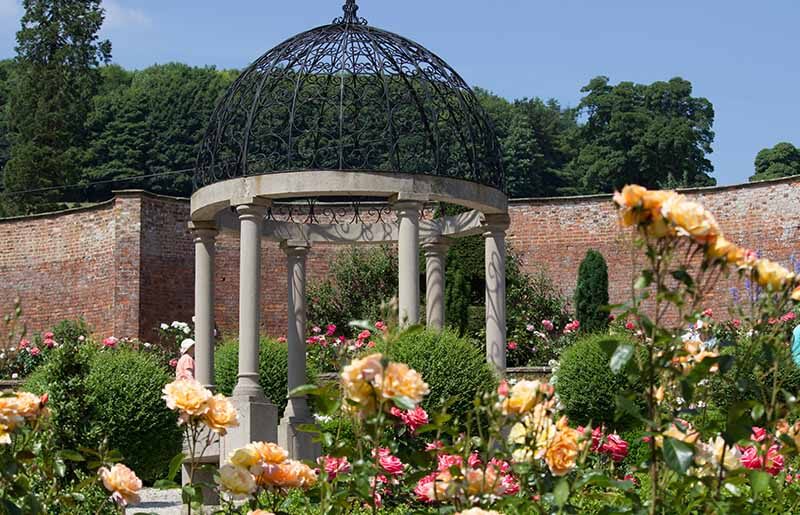
Usually at this time of year we point guests in the direction of Hopton Hall, near Carsington, which has one of the finest displays of snowdrops and aconites. Sadly this year due to Lockdown 3 the gardens are not open to the public, but they are still worth a mention. Dream instead of visiting in Summer when the roses will be in full bloom!
The house has its origins in the 16th century when it was built by Thomas Gell as a two-storey, three-bay manor house. It was extended and remodelled by Philip Gell in the late 18th century.
The estate of some 3,700 acres was split up in the 20th century, much of which was sold to a water authority to create Carsington Water.
Since 1995 the current owners have loving restored the gardens to their former glory. The delicate drifts of snowdrops along the woodland walk are interspersed with colourful aconites, hellebores and primroses.
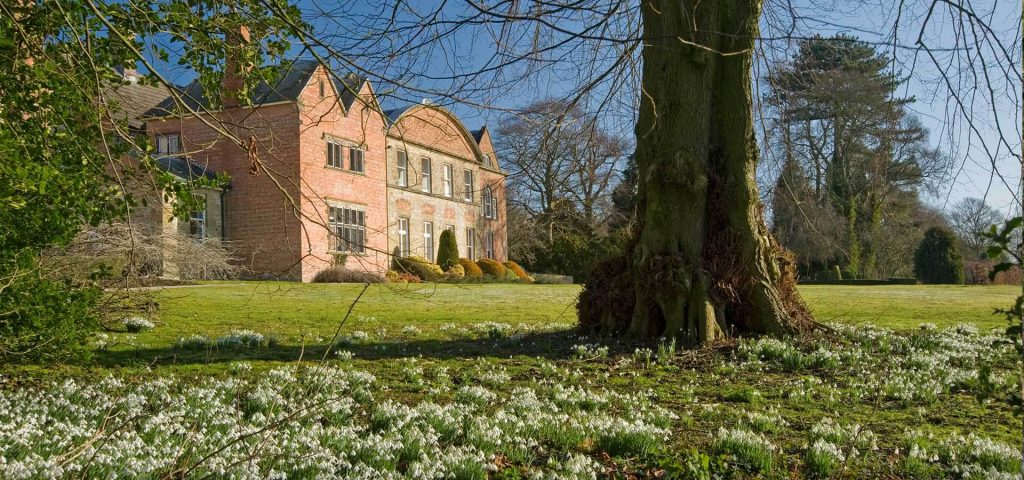
After much dedicated hard work, there is now a laburnum tunnel, a small arboretum and pinetum, two small ponds and a wildlife lake.
The more formal rose garden is a delight on a summer’s day, with its unusual crinkle crankle wall on which the beech hedge at Chatsworth was modelled. The box hedges frame the formal flower beds awash with colour and the delicate fragrance of over 2000 roses!
6 Fascinating facts about snowdrops
- There are 75 different species and varieties of Snowdrops. They are all white. Snowdrops are one of only a few flowers to have just one colour.
- As in the language of flowers Snowdrops are a symbol of purity and hope. White is the colour associated with this trait.
- Snowdrop plants looks like three drops of milk hanging from a stem. This accounts for their formal name Galanthus, taken from Greek, which means milk-white flowers.
- Did you know that bumble bees do not fly unless temperatures are above 10 degrees centigrade? Cleverly the Snowdrop has adapted so its outer petals will only open wide when the temperature rises above 10 degrees, thus protecting its nectar for the buzzing bees!
- Snowdrops contain a natural anti freeze, enabling them to recover should temperatures drop drastically. They are one of the first bulbs to flower.
- Snowdrops are used in medicine, a substance called Galamantine is extracted from snowdrops and used in the treatment of Alzheimer's disease.
Walk or cycle to Hopton
Getting to Hopton Hall by bike is a great way to make a full day of your visit. Just 4 miles along the High Peak Trail to the bottom of Hopton incline, then a short (steep) lane down to the hall. But fear not...try our electric bikes and that steep hill on the way home becomes no obstacle at all. See more on our electric bike blog post
The gardens are well worth a visit, be it for the snowdrops in winter or the stunning, colourful rose garden in summer. Best of all the homemade cakes are absolutely delicious!
Felicity
View our accommodation...
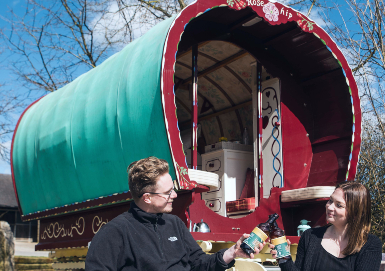


rose hip caravan
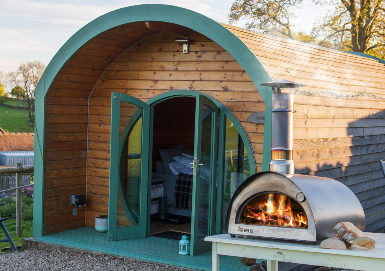

swallow pod
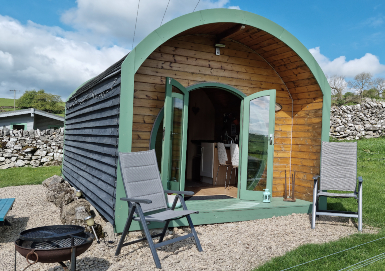
skylark pod


hipley log cabin
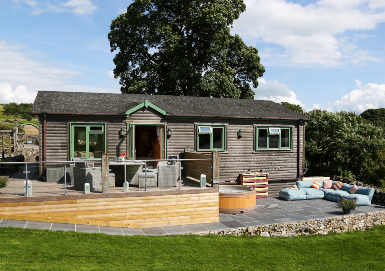

pinder log cabin
Contact us or book direct online to avoid disappointment
Hoe Grange Holidays Tripadvisor Comments...
- Jdrichie12
 We've just returned from our second visit to Hoe Grange. The suggested riding routes with stunning scenery were enjoyed by my daughter and I while the menfolk were delighted with... read more
July 11, 2019Jan Horsman J We stayed in Rainster cabin for a long weekend 6 th to 9 th September. This was my 5 th visit to the amazing Hoe Grange. I had visited before... read more
September 17, 2019Charlotte M Second visit to the accessible holiday cabins at Hoe Grange. David and Felicity were as helpful and friendly as ever. We had a welcome pack of freshly baked bread, butter,... read more
August 7, 2019 - dghiggs61 We love this place. Very wheelchair friendly, really well equipped and comfortable, with easy access by car to lots of places of interest particularly Crich Tramway Village, Chatsworth, Bakewell and... read more
October 25, 2019Peachey167 Recently spent a week in "Pinder" and had a lovely time. The location is stunning - the site is nestled in a beautiful valley on the edge of the Peaks... read more
July 16, 2019karenmD4738KD On arriving at Hoe Grange in a downpour, we doubted if we’d made the right decision to go glamping, but after the warm welcome from David and a quick tour,... read more
June 25, 2019 - Thesamps Another great holiday at Hoe Grange - such a great place for us all to holiday as a family - this time with a baby, a 3 yr old, a... read more
October 4, 2019vincent s lovely surroundings real farm country with chickens paying you a visit nice decking area to chill at the end of the day accommodation very good plenty to do nearby... read more
July 28, 2019Tiggywinkle15 We stayed in Pinder cabin and had a lovely stay, the cabin was spacious and comfortable, nice and warm after cold days out. The children loved meeting the animals and... read more
November 5, 2019 - rachelthomas2015 What a lovely weekend away! We stayed in the lovely gypsy caravan, which was a wonderful and really unique experience. We took along our two horses, who also had a... read more
June 18, 2019Wheelieuser What can I say?
Absolutely superb!
We have just returned from a family weekend staying in Daisybank cabin and the Skylark pod.
It was our first trip away with my... read more
June 13, 2019HelenLCarter We stayed in Skylark, one of the two glamping pods available at Hoe Grange in February 2020.
Felicity & David welcomed us when we arrived to show us around... read more
February 6, 2020 - joanne B We wanted a complete break and some peace and quiet and this was perfect. The caravan was secluded with beautiful views over the countryside. Everything was spotlessly clean and well... read more
June 4, 2019Angie B Lovely place to holiday near to interesting locations and easy access to the High Peak trail and Carsington Water. Part of a working farm with fresh produce to enjoy during... read more
August 3, 2019krimpenijssel Loved every minute of our stay, and so did the family and friends that came to stay. Excellent facilities in our cosy Hipley log cabin. By far the best... read more
October 25, 2019 - sophiee249 A beautiful place to stay! Amazingly run family business! Everyone were very welcoming, friendly and cozy! The skylark pod we stayed in was very clean, cozy and well equipped! The... read more
January 2, 2020ElizabethA717 It's been three years since we last visited but once we arrived it certainly didn't feel like it!
We stayed in Hipley again which had had a refurbished wet... read more
September 21, 2019David H We love this place. Very wheelchair friendly, really well equipped and comfortable, with easy access by car to lots of places of interest particularly Crich Tramway Village, Chatsworth, Bakewell and... read more
October 25, 2019 - EJYork2013 For the second year running, we have had a great family holiday at Hoe Grange. We had one cabin for the week, for two sisters and our elderly wheelchair-using... read more
June 25, 2019548julie Stayed last week, from 6th to 13th September in the log cabin called Hipley. This was amazing, it was our first visit but certainly not our last. Gold standard disability... read more
September 14, 2019Catboy86 We have just returned from a short stay in one of the pods on site at Hoe Grange Holidays. We couldn’t recommend them enough. The pod has everything you could... read more
August 17, 2019 - Adventurer_12121 Felicity and David made us feel very welcome right from our booking. The pods are well equipped and spotlessly clean. The area is very peaceful with great views and we... read more
January 30, 2020Big_Al_0000 We spent four nights at Hoe Grange and had a lovely time. The location is fantastic and right next to the High Peak Trail. The cabin was very clean and... read more
July 16, 2019Ajtravels14 We stayed for a night in one of the cabins . The cabin was spotless and very well equipped , lots of extra touches were added like fresh eggs and... read more
February 3, 2020 - plopster1 We had a lovely time staying in one of the incredibly well equipped pods. I bought my pony along and we had some great rides on the high peak trail.... read more
June 7, 2019mickvfr Arrived and was shown to our pod, fantastic location and the pod was very good indeed plus we had home made bread and milk and tea and coffee. A... read more
July 28, 2019KBarry We stayed in the Skylark pod last October (2018) and had a lovely time. There was homemade, rustic goods (bread, biscuits etc) when we arrived. Felicity and David who run... read more
September 15, 2019 - Paula C Myself and my sister travelled to Costa Rica and Panama via Viva Holidays Ltd. The holiday was exceptional and one to be treasured forever. Andrew at Viva Holidays... read more
July 4, 2019L9943KBlesleym What a wonderful find. As our first experience of needing accessible accommodation we could not have wished for better. Beautiful well equipped lodges in lovely surroundings. We stayed in both... read more
April 3, 2020