




 hoe grange blog posts
Browse through our blog posts to find out what life is like at Hoe Grange Holidays along with some great ideas for days out in the Peak District.
Butterflies at Hoe Grange Quarry
June 16, 2019Archives
Order
Category
We are excited to be supporting Derbyshire Wildlife who have a Butterfly Open Day at Hoe Grange Quarry this weekend. The disused limestone quarry is owned by Longcliffe Quarries and is now a nature reserve for butterflies and wildlife. Why not walk across the fields to find out more about these amazing insects? The Open Day runs from 11am to 4pm on Sunday 16th June.

Butterflies conjure up images of sunshine, warmth, and meadows full of colourful wildflowers teaming with life. However butterflies are fragile which makes them quick to react to change so their struggle to survive is a serious warning about our environment.
Hoe Grange Quarry Nature Reserve
Having a butterfly reserve next door to us at Hoe Grange Holidays is wonderful news and we have certainly seen an increase in the number of butterflies around our farm and gardens.
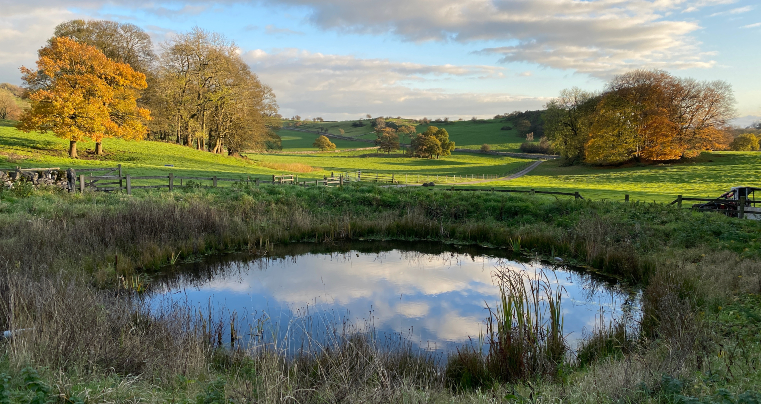
The quarry is 4.75 hectares and has not been worked since the 1970s so a wonderfully diverse mix of habitats has developed, which are ideal for insects, butterflies and moths. It lies over the other side of the High Peak Trail near the sign for Hoe Grange Cutting and is just a short walk from our log cabins.

The quarry has areas of bare ground which provide the perfect place for insects to sunbathe, surrounded by beautiful flower rich short limestone grassland. The edges of the quarry are covered in taller grasses and woodland, and there is also a disused dew pond under restoration.
The environment at Hoe Grange Quarry is so rich in food for the insects that a total of 26 different species of butterfly have been recorded. The site is now managed by Derbyshire Wildlife in conjunction with the Butterfly Conservation Trust, whose volunteers have been walking a weekly transect of the quarry and recording their findings.
Amongst the butterflies are some BAP species (Biodiversity Action Plan) which are conservation priorities because of their rarity and rate of decline, including the Dingy Skipper, the Wall Brown, and Small Heath.
It’s also fantastic to see that there are some local species including Dark Green Fritillary and the Peak District version of Brown Argus. The most prevalent is a large colony of Common Blues due to its food plant, Bird's-foot-trefoil, colonising the entire quarry floor when the site was abandoned to wildlife in the 1970's.


Fifteen fascinating facts about Butterflies
- It is estimated that there are about 24,000 species of butterflies, and they are found on every continent except Antarctica.
- Butterflies are not just attractive colourful insects, but valuable pollinators of plants, fruit and vegetables.
- I love the fact that a group of butterflies is sometimes called a flutter.
- Butterflies vary in size from a tiny 1/8 inch to the largest species reaching a massive 12 inches across. Females are larger than males and also live longer!
- Butterflies eyes are made of 6,000 lenses and can see ultraviolet light. They rely on their eyesight for vital tasks, like searching for mates of the same species and finding flowers to feed on.
- Butterfly wings move in a figure of 8 motion and the top butterfly flight speed is 12 miles per hour, which is slow compared to some moths that can fly 25mph!
- Butterflies are cold blooded and air temperature has a big impact on their ability to function. They cannot fly if their body temperature is less than 86 degrees.
- Butterflies and insects have their skeletons on the outside of their bodies, called the exoskeleton, to protect them and keep water inside their bodies so they don’t dry out.
- Butterflies have taste receptors on their feet so they can find out whether the leaf is good enough food for their caterpillars before they lay their eggs on the leaf with special glue.
- A butterfly’s life cycle is made up of four parts, egg, larva (caterpillars), pupa (chrysalis) and adult.The process by which a caterpillar magically transforms into a butterfly is completed in 10 to 15 days, depending on the species.
- The story of the Very Hungry Catarpillar is true to life as from hatching to pupation, a caterpillar increases its body size 30,000 times!
- Fully grown caterpillars attach themselves to a suitable twig or leaf before shedding their outside layer of skin to reveal a hard skin underneath known as a chrysalis.
- An adult butterfly will eventually emerge from the chrysalis where it will wait a few hours for its wings to fill with blood and dry, before flying for the first time.
- Adult butterflies only feed on liquids, usually nectar and can live from between just one week and a year, depending on the species.
- Despite popular belief, butterfly wings are clear – the colors and patterns we see are made by the reflection of the tiny scales covering them.The Painted Lady is the most commonly found butterfly in the world.

We hope you have enjoyed our fascinating facts about butterflies. Here at Hoe Grange Holidays we encourage the butterflies and bees by growing flowers in the gardens - it's a win, win - butterflies thrive on the nectar before the flowers are cut, then our holiday guests can enjoy the vibrant scented blooms in their log cabins!
Why not make space in your garden for butterflies and bees by planting flowers to create a pollinators paradise?
Felicity

View our accommodation...
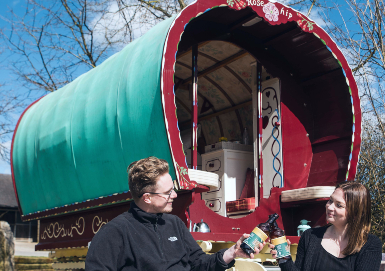


rose hip caravan
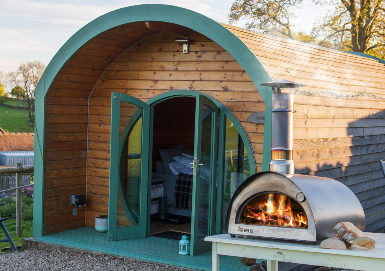

swallow pod
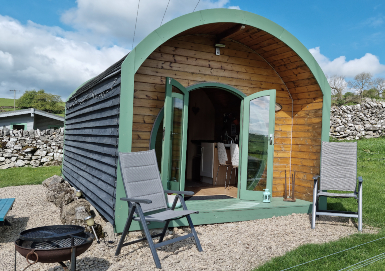
skylark pod


hipley log cabin
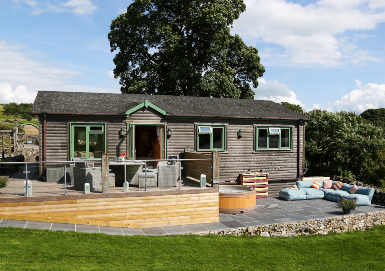

pinder log cabin
Contact us or book direct online to avoid disappointment
Hoe Grange Holidays Tripadvisor Comments...
- Catboy86
 We have just returned from a short stay in one of the pods on site at Hoe Grange Holidays. We couldn’t recommend them enough. The pod has everything you could... read more
August 17, 2019Thesamps Another great holiday at Hoe Grange - such a great place for us all to holiday as a family - this time with a baby, a 3 yr old, a... read more
October 4, 2019Paula C Myself and my sister travelled to Costa Rica and Panama via Viva Holidays Ltd. The holiday was exceptional and one to be treasured forever. Andrew at Viva Holidays... read more
July 4, 2019 - HelenLCarter We stayed in Skylark, one of the two glamping pods available at Hoe Grange in February 2020.
Felicity & David welcomed us when we arrived to show us around... read more
February 6, 2020plopster1 We had a lovely time staying in one of the incredibly well equipped pods. I bought my pony along and we had some great rides on the high peak trail.... read more
June 7, 2019Big_Al_0000 We spent four nights at Hoe Grange and had a lovely time. The location is fantastic and right next to the High Peak Trail. The cabin was very clean and... read more
July 16, 2019 - mickvfr Arrived and was shown to our pod, fantastic location and the pod was very good indeed plus we had home made bread and milk and tea and coffee. A... read more
July 28, 2019rachelthomas2015 What a lovely weekend away! We stayed in the lovely gypsy caravan, which was a wonderful and really unique experience. We took along our two horses, who also had a... read more
June 18, 2019Jdrichie12 We've just returned from our second visit to Hoe Grange. The suggested riding routes with stunning scenery were enjoyed by my daughter and I while the menfolk were delighted with... read more
July 11, 2019 - sophiee249 A beautiful place to stay! Amazingly run family business! Everyone were very welcoming, friendly and cozy! The skylark pod we stayed in was very clean, cozy and well equipped! The... read more
January 2, 2020Ajtravels14 We stayed for a night in one of the cabins . The cabin was spotless and very well equipped , lots of extra touches were added like fresh eggs and... read more
February 3, 2020David H We love this place. Very wheelchair friendly, really well equipped and comfortable, with easy access by car to lots of places of interest particularly Crich Tramway Village, Chatsworth, Bakewell and... read more
October 25, 2019 - Angie B
 Lovely place to holiday near to interesting locations and easy access to the High Peak trail and Carsington Water. Part of a working farm with fresh produce to enjoy during... read more
August 3, 2019Charlotte M Second visit to the accessible holiday cabins at Hoe Grange. David and Felicity were as helpful and friendly as ever. We had a welcome pack of freshly baked bread, butter,... read more
August 7, 2019Adventurer_12121 Felicity and David made us feel very welcome right from our booking. The pods are well equipped and spotlessly clean. The area is very peaceful with great views and we... read more
January 30, 2020 - Tiggywinkle15 We stayed in Pinder cabin and had a lovely stay, the cabin was spacious and comfortable, nice and warm after cold days out. The children loved meeting the animals and... read more
November 5, 2019KBarry We stayed in the Skylark pod last October (2018) and had a lovely time. There was homemade, rustic goods (bread, biscuits etc) when we arrived. Felicity and David who run... read more
September 15, 2019vincent s lovely surroundings real farm country with chickens paying you a visit nice decking area to chill at the end of the day accommodation very good plenty to do nearby... read more
July 28, 2019 - EJYork2013 For the second year running, we have had a great family holiday at Hoe Grange. We had one cabin for the week, for two sisters and our elderly wheelchair-using... read more
June 25, 2019karenmD4738KD On arriving at Hoe Grange in a downpour, we doubted if we’d made the right decision to go glamping, but after the warm welcome from David and a quick tour,... read more
June 25, 2019Peachey167 Recently spent a week in "Pinder" and had a lovely time. The location is stunning - the site is nestled in a beautiful valley on the edge of the Peaks... read more
July 16, 2019 - Jan Horsman J We stayed in Rainster cabin for a long weekend 6 th to 9 th September. This was my 5 th visit to the amazing Hoe Grange. I had visited before... read more
September 17, 2019dghiggs61 We love this place. Very wheelchair friendly, really well equipped and comfortable, with easy access by car to lots of places of interest particularly Crich Tramway Village, Chatsworth, Bakewell and... read more
October 25, 2019L9943KBlesleym What a wonderful find. As our first experience of needing accessible accommodation we could not have wished for better. Beautiful well equipped lodges in lovely surroundings. We stayed in both... read more
April 3, 2020 - 548julie Stayed last week, from 6th to 13th September in the log cabin called Hipley. This was amazing, it was our first visit but certainly not our last. Gold standard disability... read more
September 14, 2019joanne B We wanted a complete break and some peace and quiet and this was perfect. The caravan was secluded with beautiful views over the countryside. Everything was spotlessly clean and well... read more
June 4, 2019ElizabethA717 It's been three years since we last visited but once we arrived it certainly didn't feel like it!
We stayed in Hipley again which had had a refurbished wet... read more
September 21, 2019 - Wheelieuser What can I say?
Absolutely superb!
We have just returned from a family weekend staying in Daisybank cabin and the Skylark pod.
It was our first trip away with my... read more
June 13, 2019krimpenijssel Loved every minute of our stay, and so did the family and friends that came to stay. Excellent facilities in our cosy Hipley log cabin. By far the best... read more
October 25, 2019